
Intake conversation
We collect the clock type, symptoms, photos, owner goals and any known history before confirming whether bench assessment or home visit is best.
From first assessment to bench work, testing and aftercare, every step is documented so you understand what is preserved, repaired and recommended.
Step by step
Each stage exists to protect the timepiece and keep the owner informed.
We collect the clock type, symptoms, photos, owner goals and any known history before confirming whether bench assessment or home visit is best.
The clock is photographed and examined for movement wear, case condition, missing parts, previous repairs and immediate handling risks.
You receive recommended work, optional conservation choices, estimated timing and notes on what should remain untouched.
Only approved interventions proceed: cleaning, fitting, adjustment, conservation, sourcing or installation preparation.
The clock is observed through multiple cycles. Chime, strike and timekeeping are checked before release.
You receive winding, placement, levelling and maintenance guidance so the clock remains safe in real use.
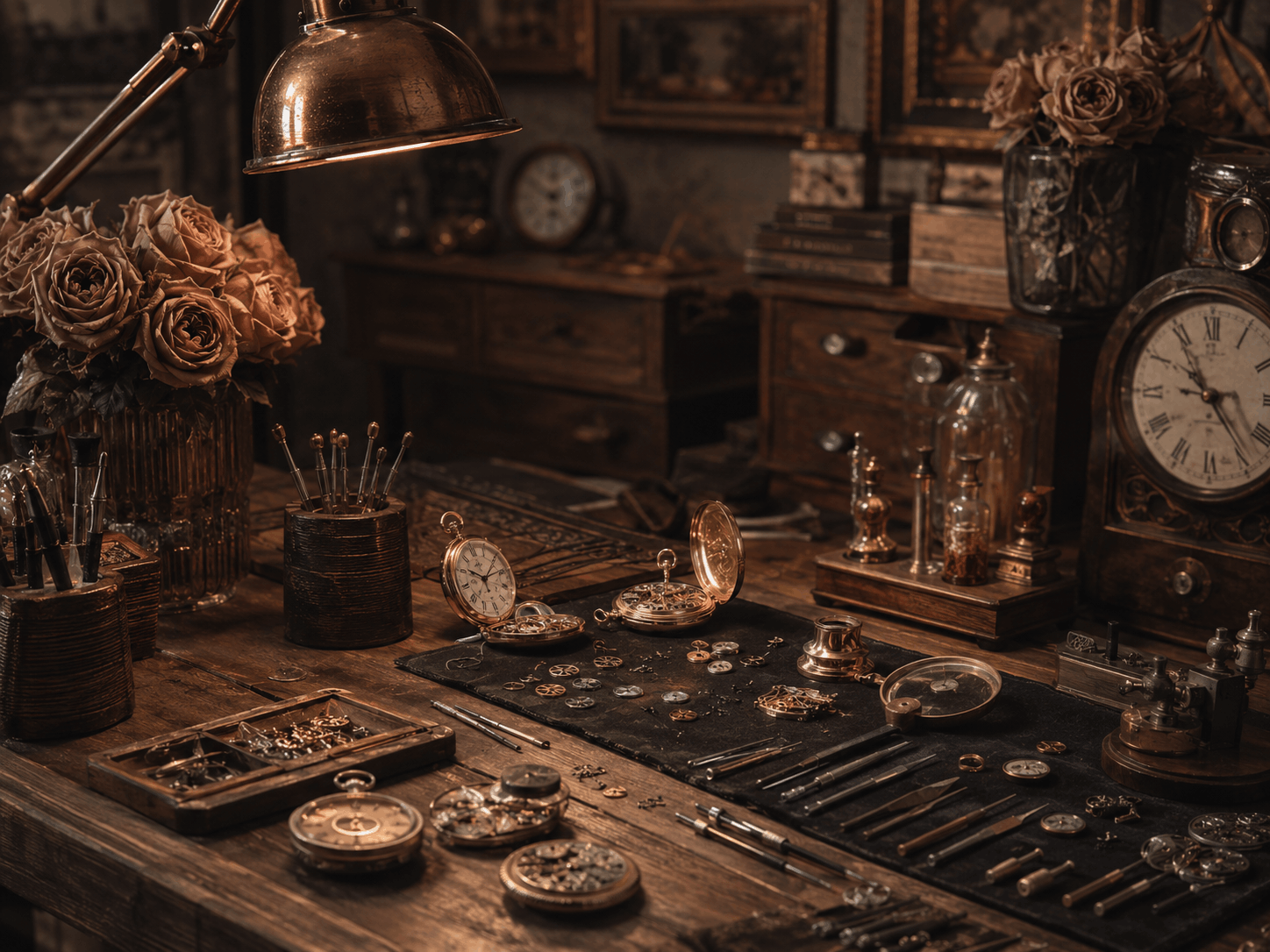
Testing matters
A restored movement must show stable power delivery, safe strike action and consistent rhythm. That is why time on the bench is built into the process.
Do not force the hands, overwind, oil the movement or polish the dial. If the clock has weights, chains, pendulum, key, glass shelves or detachable ornaments, photograph everything before packing. For longcase clocks, contact us before attempting transport.
Useful information includes: approximate height, where the clock was stored, whether it has recently been moved, when it last ran, whether it chimes, and what parts seem missing. Photos of the front, back, dial, pendulum, key and movement opening are helpful.